
Chiropractic Adjustments in Nashville
Visit our Charlotte Pike clinic to discuss your symptoms and learn what care may involve.


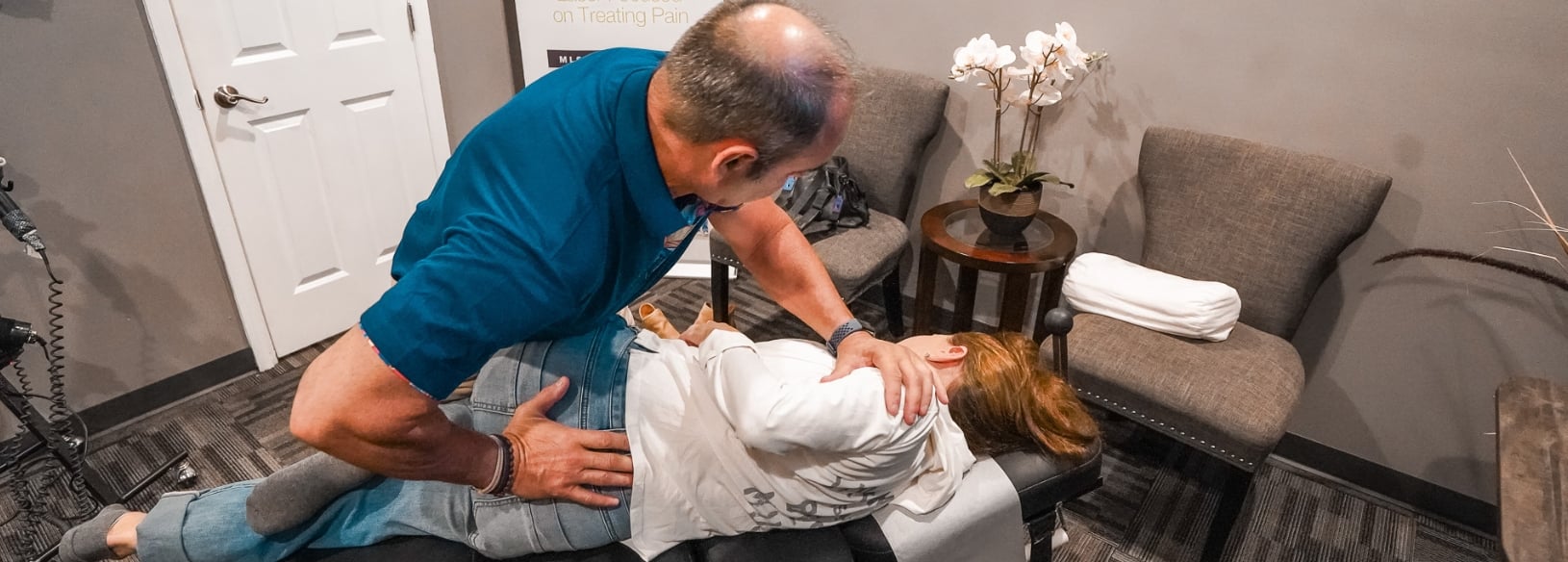
What is a chiropractic adjustment?
Your clinician decides whether to use adjustments, which technique to use, and how often to treat based on your evaluation. Some patients also receive other services during care.
“Chiropractic adjustments are about more than temporary relief, they help restore proper movement, reduce stress on the body, and support the kind of function patients need to live actively and comfortably.”

Dr. Casey Bearden
What to Know About Chiropractic Adjustments in Nashville
In this video, Dr. Bearden explains how chiropractic adjustments work, who they may help, and what patients can expect at Action Spine & Joint.
What To Expect On Your First Visit
We Listen
Tell us what hurts, when it started, and which activities are affected.
We Evaluate
Your clinician reviews your history and examines your movement and function.
We Explain
We discuss whether adjustments fit your needs and what the next steps are.
Chiropractic Adjustments FAQs
What is a chiropractic adjustment?
A chiropractic adjustment is a hands-on technique that applies a controlled movement to a joint, most often in the spine. Chiropractors use it to address restricted movement and related pain.
What do chiropractic adjustments help treat?
Patients commonly seek adjustments for back pain, neck pain, headaches, and stiffness. Your evaluation determines whether they fit your situation.
Are chiropractic adjustments safe?
Most people tolerate them well, but mild soreness, stiffness, or headache can occur and usually fades within about a day. Serious complications are very rare. Share your health history so your clinician can decide whether adjustments are appropriate.
Do chiropractic adjustments hurt?
Many patients feel pressure rather than pain. Some feel temporary soreness afterward. Tell your clinician if anything is uncomfortable.
What does the popping sound mean?
The sound comes from gas changes in the fluid around the joint, not from bones cracking. It isn’t a sign that the adjustment worked or didn’t.
How long does a chiropractic adjustment appointment take?
Visit length varies. Ask our office what to expect for a first visit versus follow-up visits.
How many chiropractic adjustments will I need?
It depends on your condition, goals, and response. Your clinician explains a recommended schedule after the evaluation and revisits it as you progress.
Can chiropractic adjustments help with sciatica?
Some patients with sciatica receive adjustments as part of a care plan. Your clinician evaluates your symptoms first and tells you whether adjustments are appropriate or whether another approach is better.
Can chiropractic care help with headaches and neck pain?
Some patients seek chiropractic care for neck-related headaches and neck stiffness. Neck adjustments carry specific considerations, so your clinician will review your history before treating the neck.
Do I need surgery before trying chiropractic care?
No. You do not need surgery first. Many patients try conservative care before considering surgery, and your clinician can refer you if your symptoms need other care.
Who is a good candidate for chiropractic adjustments?
People with back pain, neck pain, or stiffness may be candidates. Adjustments may not suit everyone, including some people with osteoporosis, certain blood-vessel conditions, or spinal instability. Your evaluation decides.